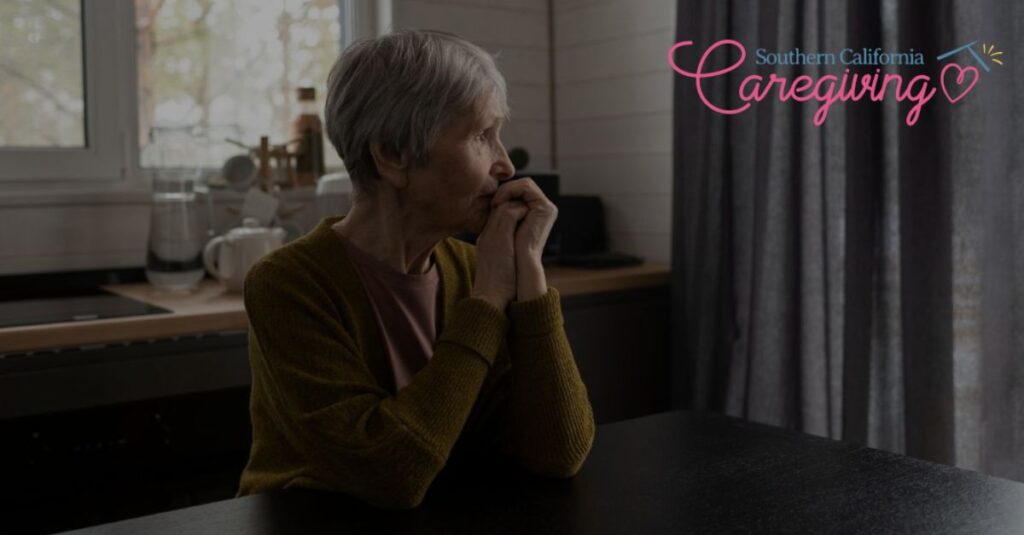
Depression in older adults doesn’t always announce itself. It can show up as smaller changes that quietly stack up. A parent stops answering calls as quickly. They cancel plans they used to enjoy. They say they’re tired… and then they’re tired again tomorrow.
The CDC reports that depression affects about 4% of adults age 70+. It sounds like a small number until it’s your own parent who’s losing interest in life.
It is important to keep them engaged. The aim is to reduce the chances of depression. That’s what we’ll focus on in this blog post. Plus, we’ll discuss how companionship services in Torrance can help doing so.
Engagement pulls them back into the day
Depression shrinks a person’s world. The day gets smaller. The couch becomes the main event. Staying engaged helps because it gives the day a few “reasons” to move.
It doesn’t need to be a big plan. It can be:
- a short walk to the mailbox
- a call with a friend
- folding towels while talking
- doing a puzzle for ten minutes
These small actions are like tiny doors opening back up. They remind the brain, “I’m still here. I can still do things.”
Routine helps the mind feel steadier
When every day feels the same, mood can slip. A simple rhythm helps. One thing in the morning. One thing after lunch. One thing in the evening.
It can be as basic as tea at 10, a walk at 2, and a show at 7. The point is predictability. Seniors feel safer when the day has a shape.
Purpose lifts mood in a quiet way
Seniors feel better when they matter to someone’s day. The role can be tiny. Choosing the movie. Sharing a recipe. Teaching a grandchild a card game. Even giving advice on something real.
Purpose helps because it pushes back against the “I’m just in the way” feeling that often sits underneath depression.
Social contact changes the whole tone
Loneliness and low mood often travel together. Regular connection helps. Not only big visits. Small touchpoints count. A neighbor chat. A short outing. A weekly coffee date. The goal is simple: fewer long stretches of silence.
Small wins build momentum
Depression makes everything feel like effort. So engagement needs to be easy to start and easy to finish. Watering plants. Setting the table. Cooking one simple meal. Those wins add up, and confidence comes back in pieces.
How companionship caregivers help seniors stay engaged
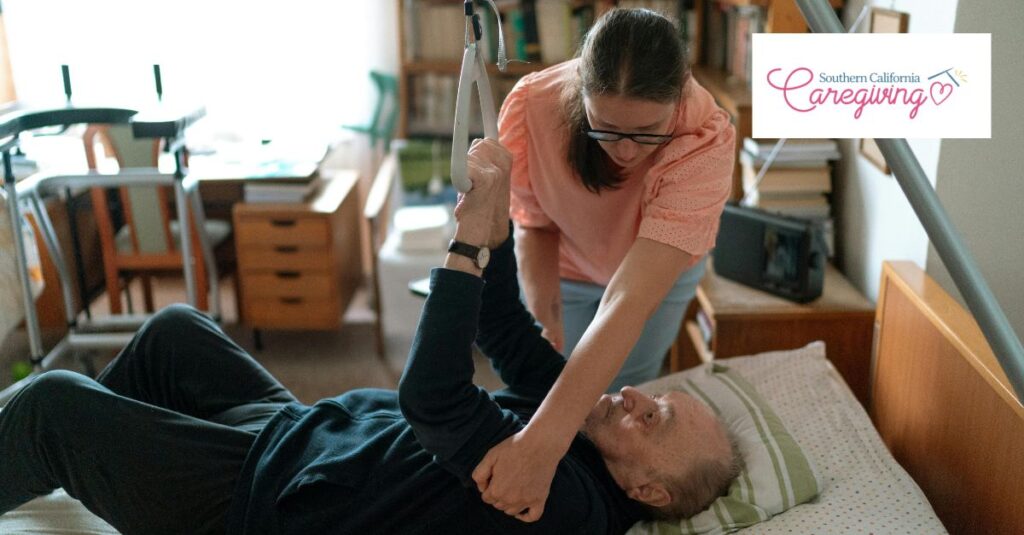
Home companionship service makes engagement repeatable. Families have good intentions, but life gets busy. A caregiver turns “we should do this more” into “we do this on Tuesdays.”
They also remove friction. Shoes get found. Hearing aids get worn. Snacks get packed. Rides get arranged. The outing actually happens.
The caregivers offering companionship service keep it realistic too. One walk. One call. One hobby. No packed calendar. No pressure.
And they tailor it. Some seniors want conversation. Others prefer quiet company. A good caregiver learns what lifts mood and what drains it. Just ensure you choose the right agency for personalized companionship service.
They also notice early warning signs. More sleeping. Less appetite. Less interest. More irritability. Families can act sooner when someone is paying attention consistently. You can also ask your reliable companionship service to note these symptoms.
FAQs
1) What are simple signs a senior may be slipping into depression?
Look for changes that stick around. These changes include less interest in hobbies. Avoiding calls, sleep changes, eating less, and a “why bother” tone that lasts for weeks are also some signs.
2) What engagement ideas work best for seniors?
The ones that feel doable and familiar. Short walks, music, and easy chores with company are some of them. You can also indulge them in puzzles, simple cooking, photo sorting, and regular conversation. Consistency matters more than intensity.
Connect with us today for the best companionship services in Torrance.