
After a stroke, families usually expect the big things. Rehab. Doctor visits. Med changes.
What surprises them is the everyday stuff.
How long it takes to put on a shirt.
How scary the bathroom feels at night.
How a “quick” walk to the kitchen suddenly needs planning.
And because this is common, you’re not the only family dealing with it. The CDC says more than 795,000 people in the U.S. have a stroke each year. About 185,000 are repeat strokes. That’s a lot of households trying to rebuild routines at the same time.
Start with one goal: make the day less exhausting
Stroke recovery steals energy. Seniors can burn through their stamina before lunch.
That’s where a home aide helps in a very practical way. They step into the morning routine so your loved one doesn’t have to “fight” every task.
Think: getting washed up, dressed, settled for breakfast, and comfortable.
When those basics go smoother, the whole day feels less heavy.
Moving safely beats moving fast
After a stroke, balance can feel unreliable. One side may be weaker. Feet may shuffle.
And fear can keep people stuck in a chair. Fear makes sense. Fear also slows progress.
Good In-home support looks like slow pacing and safe decisions.
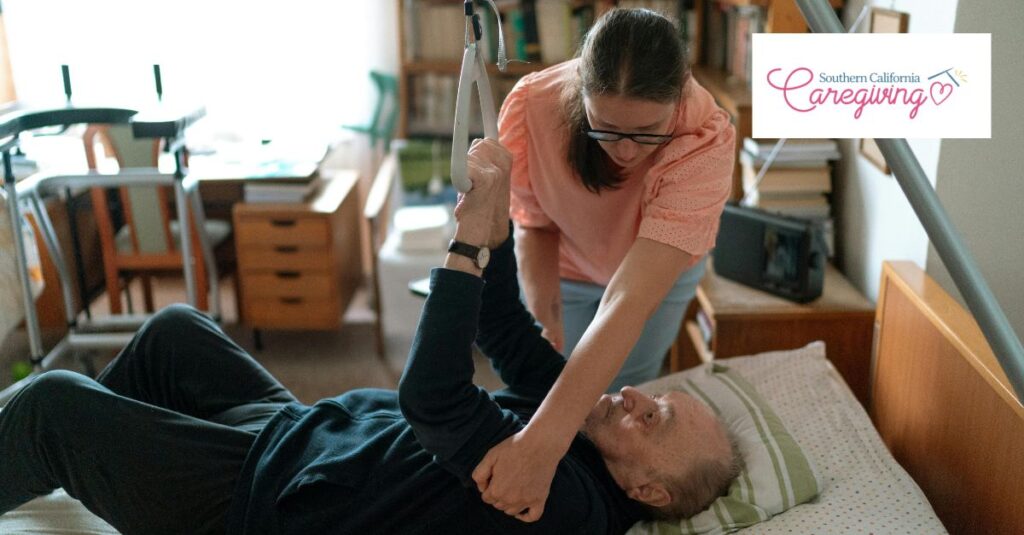
Clear walkways. Helping with transfers. Reminding your loved one to pause before standing. Being close enough to steady them, without yanking them around like luggage at the airport.
Personal care needs a calm tone
Stroke recovery can make seniors feel exposed. They might need help with bathing or toileting.
They might hate it. They might joke about it. They might go quiet.
That’s why Self-Care Assistance has to be respectful.
No rushing. No weird “cheerleader voice.” Just steady help, privacy, and patience.
Rehab plans only work if they happen on regular days
Therapists often send seniors home with simple exercises. The problem is not the exercises.
The problem is Tuesday at 3 p.m. when your loved one is tired and doesn’t feel like trying.
That’s where homecare can help.
A caregiver can support the routine around the plan. Short practice. Safe pacing. Gentle encouragement. One more try. Then rest.
Speech work happens in real conversations
Some seniors struggle with speech or finding words. That frustration can make them withdraw.
A caregiver can’t replace a speech therapist. But Wellness Support Services can include daily support that makes communication easier.
Slower conversations. Time to answer. No finishing sentences unless asked.
Small wins build confidence again.
Food, water, and meds: the “quiet” recovery tools
A stroke can mess with appetite. Cooking can feel like too much.
So seniors snack, skip meals, and feel weaker.
That’s where home care assistance helps.
Simple meals. Hydration reminders. A steadier eating routine that supports energy for rehab.
Medication routines matter too, especially when stroke prevention meds are added or adjusted.
Families often pick a home care agency because it keeps schedules and follow-through more consistent.
Why team-backed care feels steadier
Recovery isn’t linear. Some weeks are great. Some weeks feel like you’re back at the start.
A home care company gives families a system and support behind the caregiver, so you’re not juggling everything alone.
Many families like a homecare agency setup because it can handle coverage, notes, and continuity when life gets messy.
FAQs
1) Can a caregiver help with therapy exercises at home for stroke patients?
Yes, caregivers can support the home plan your therapist provides by helping with safety, pacing, and consistency. The therapist designs the exercises. The caregiver helps your loved one actually do them.
2) How do I know if my parent needs caregiving after a stroke?
If daily tasks feel unsafe or exhausting, if falls feel possible, or if routines around meals, meds, and hygiene are slipping, support at home can help. Many families start part-time and adjust as recovery changes.