A lot of seniors used to get their news once a day. Newspaper in the morning. TV at night. Done.
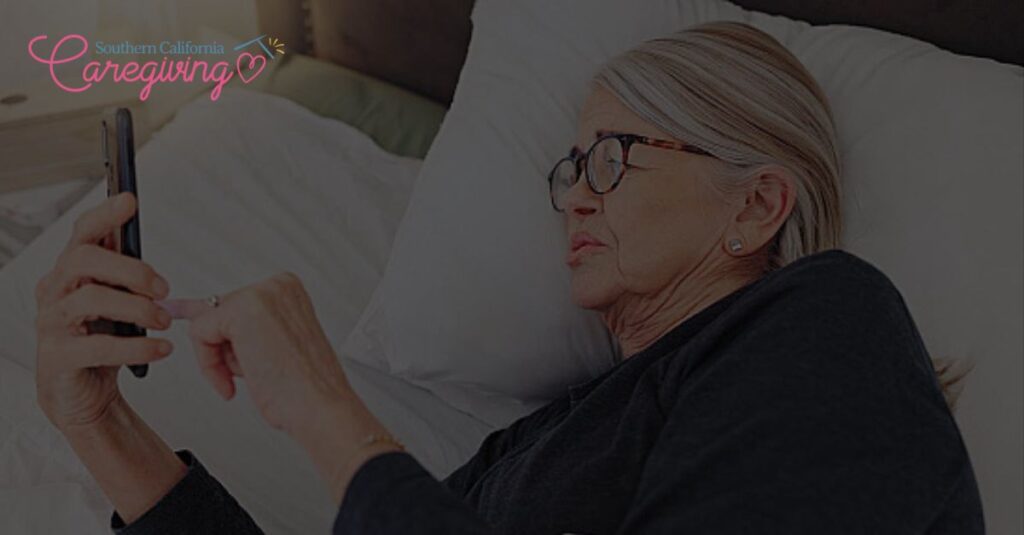
Now it’s on the phone. All day. In their pocket. On the couch. Next to the bed.
And it’s not always “news.” It can be health scare videos, crime clips, disaster reels, angry arguments, financial panic posts, and those suspicious “doctors hate this trick” ads that somehow keep showing up again and again.
Families often notice the change before the senior admits it. More worry. Less sleep. Shorter patience. Less interest in the things they used to enjoy. And a lot more time with the screen.
That’s one reason families look into companionship care. They want a real person in the day, not a fear-filled feed.
It’s not about being “too online.” It’s about what the feed does.
Here’s the thing. These apps are built to keep you scrolling. If you watch one scary clip, you get ten more. If you click one “warning” post, the algorithm decides you love warnings.
Pew Research has reported that a large share of U.S. adults get news from social media at least sometimes. Older adults do this too, especially on platforms like Facebook and YouTube.
So the phone becomes a steady stream of “be careful,” “watch out,” “everything is dangerous,” “your health is at risk,” “your money is at risk.”
Even if none of it is happening in their neighborhood. It still lands in their nervous system.
What doomscrolling can look like at home
It can show up as sleep getting messy. Or constant worry. Or a parent suddenly saying the world feels unsafe and they don’t want to go out. Harvard Health has even talked about doomscrolling’s link with stress, anxiety, and sleep problems.
And then the day gets smaller. Less movement. Less cooking. Less calling friends. More sitting. More scrolling.
“But it helps me stay informed”
That’s a fair intention. But there’s a line where “informed” turns into “stuck.”
One study on problematic news consumption found that 16.5% of surveyed adults had a severely problematic pattern, and it was tied to worse mental and physical health.
And even if a senior isn’t scrolling pure news, the same pattern shows up with fear-based health content, scammy money videos, and constant crime reels.
How companionship caregivers help (without turning into the phone police)
A good caregiver doesn’t walk in and say, “Hand over the phone.” That would go over great.
They do something smarter. They make the day fuller.
Professional Companionship works by giving seniors real moments to step into. Breakfast at a normal time. A short walk. A simple errand. A puzzle. Music. Conversation. A little plan that repeats.
Caregivers also help with gentle boundaries that don’t feel controlling. Turning off notifications. Moving certain apps off the home screen. Agreeing on “phone time” after lunch, then switching to something calmer.
And most importantly, they replace screen company with human company. Senior Companionship reduces the long quiet stretches where doomscrolling thrives.
Families who use Elderly care services in Torrance often say the biggest change is mood. The day feels less tense. The home feels lighter.
If caregivers notice bigger mood shifts, Professional elderly care teams can share those observations with families so they can talk to a doctor sooner.
FAQs
Is doomscrolling always a mental health issue?
Not always. Sometimes it’s boredom plus habit. But if worry, sleep problems, or withdrawal keep growing, it helps to talk with a clinician and consider added support like Elderly care services.
What’s the easiest first step to reduce doomscrolling?
Pick one replacement habit and repeat it daily. A short walk, a phone call with a friend, music after lunch, or a puzzle for ten minutes. Routine beats willpower.