
Heart issues can make a normal day feel a little less normal.
Your dad may get tired halfway through breakfast. Your mom may need to sit after walking from the bedroom to the kitchen. A doctor may say “low sodium,” and suddenly every label in the grocery store feels like it was written in tiny secret code.
And then there are the medicines. The appointments. The “Was that swelling there yesterday?” kind of worry.
For families, it can feel like a lot to manage from the outside. A home aide can help with the everyday parts of heart care at home. The small routines. The meals. The reminders. The quiet noticing.
Heart care happens in the kitchen more than people think
A lot of heart-related care starts with food. That sounds simple until you look at what many seniors eat when they are tired.
Soup from a can. Frozen meals. Deli meat. Crackers. Chips. Packaged snacks. Easy? Yes. Heart-friendly? Often, no.
The American Heart Association recommends limiting sodium and unhealthy fats to improve heart health.
Caregivers can help prepare low-sodium meals. Plus, they help with low-cholesterol food items. You can trust them with simple food that still feels familiar. Vegetables. Lean protein. Oatmeal. Beans. Whole grains. Fruit. Soup made at home instead of the “salt bomb in a can” version.
This is one reason families choose homecare. A caregiver can keep better options within reach, so lunch does not become toast, cookies, and good intentions.
Medications need a steady rhythm
Heart conditions often come with daily medicines. Blood pressure pills. Cholesterol medicine. Blood thinners. Water pills. Sometimes a whole little army of bottles.
A caregiver can help with reminders and refill tracking. They can also notice if something seems off after medication. Dizziness. Extra tiredness. Nausea. Confusion. Then the family can speak with the doctor.
A good home care agency helps keep this routine from becoming guesswork.
Movement should feel safe
Many seniors with heart issues are encouraged to stay active, depending on their doctor’s advice. But “stay active” can sound vague. Active how? For how long? What if they feel tired?
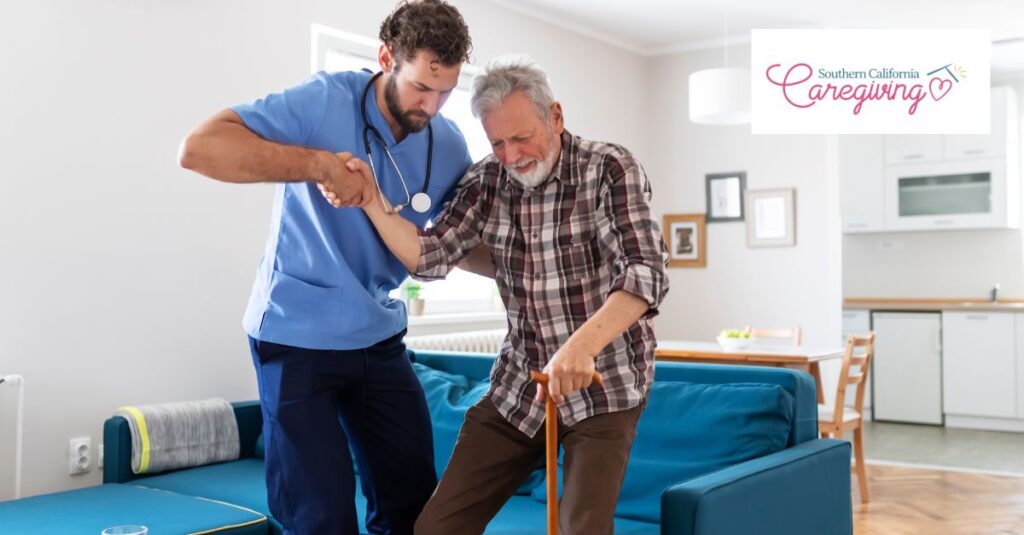
Caregivers can help with short walks, gentle movement, and rest breaks. No pressure. No dramatic fitness speech. Just a steady person nearby saying, “Let’s take it slow.”
That kind of In-home support can make movement feel less scary.
Small changes are worth noticing
Heart issues can show up in quiet ways. Swollen ankles. Shortness of breath. A sudden drop in energy. Less appetite. Dizziness. A change in weight.
Caregivers often notice these details because they see the regular day. Not the quick family visit version. The real version.
That is where Wellness Support Services help. A caregiver can share patterns with family, so concerns can be discussed with the doctor sooner.
Personal care can protect energy
Self-Care Assistance gives seniors help with those private routines in a respectful way. Slow pace. Clear communication. No rushing. No making the person feel helpless.
A trusted home care company can also adjust support as needs change. Some families start with meals and reminders. Others need more help after a hospital stay or a difficult week.
And with a reliable homecare agency, families get support that feels organized, not thrown together at the last minute.
Good home care assistance is often simple. Better meals. Medication reminders. Safer walks. Help with appointments. A calm person in the home.
For seniors with heart issues, those simple things can make the day feel steadier. And for families, that steadiness means they can breathe a little easier too.
FAQs
- Can caregivers prepare meals for heart patients?
Yes! The caregivers can help with low-sodium and low-cholesterol meals. - Can caregivers help with heart medications?
They can offer reminders and help track refills. Medication decisions should always stay with the doctor. - What heart-related changes can caregivers notice?
They notice swelling, dizziness, shortness of breath, fatigue, appetite changes, or sudden weight changes.
4. Can caregivers help seniors stay active?
Yes, if the doctor allows it. They can support short walks, safe movement, and rest breaks.