The bruise was not there on Sunday.
By Tuesday, Mom had a dark purple mark running along her forearm.
She had no clue where it came from.
“Probably the cupboard,” she said. Then she went back to her tea as though the cupboard had simply won another round.
This happens often in old age. A small bump can leave a surprisingly large mark. The senior may barely feel it when it happens. Hours later, the bruise appears and nobody remembers the moment behind it.
A home aide who visits regularly may be the first person to spot the mark. They can ask a few gentle questions, check whether it hurts, and let the family know.
Why bruising becomes more common
Skin changes as people age. It becomes thinner. Some of the soft tissue beneath it also reduces. That leaves the small blood vessels closer to the surface and with less protection.
So an elbow against the doorframe may leave a mark. The edge of the bed may catch a shin. Even getting dressed in a hurry can lead to a bruise on delicate skin.
During regular homecare, a caregiver gets to know what is normal for the senior. They may remember that a bruise was small on Monday and got bigger on Wednesday. Such daily observations are useful.
The caregiver can make a simple note about where the mark appeared. They also note down whether the senior remembers a fall or bump. With permission, the family may also take a dated photo.
Sometimes the room gives away the answer
A bruise can tell you quite a lot about the home.
Marks on one leg may come from a bedframe that sticks out. Bruises near the hip may happen when the senior squeezes past a table. A dark hallway can make nighttime bathroom trips a little too adventurous.
A home care agency can provide caregivers who notice these ordinary hazards.
The laundry basket can move out of the walkway. A loose rug can be removed. The cane can stay beside the bed instead of hiding behind the chair like it pays rent there.
Through In-home support, caregivers can also keep glasses, walkers, and frequently used items within easy reach.
These are small changes. They can save a senior from several painful bumps.
Help with movement should feel gentle
Getting out of bed may take longer now. So may standing from a low sofa or stepping into the bathroom.
With home care assistance, a caregiver can stay nearby and support each movement at a comfortable pace.
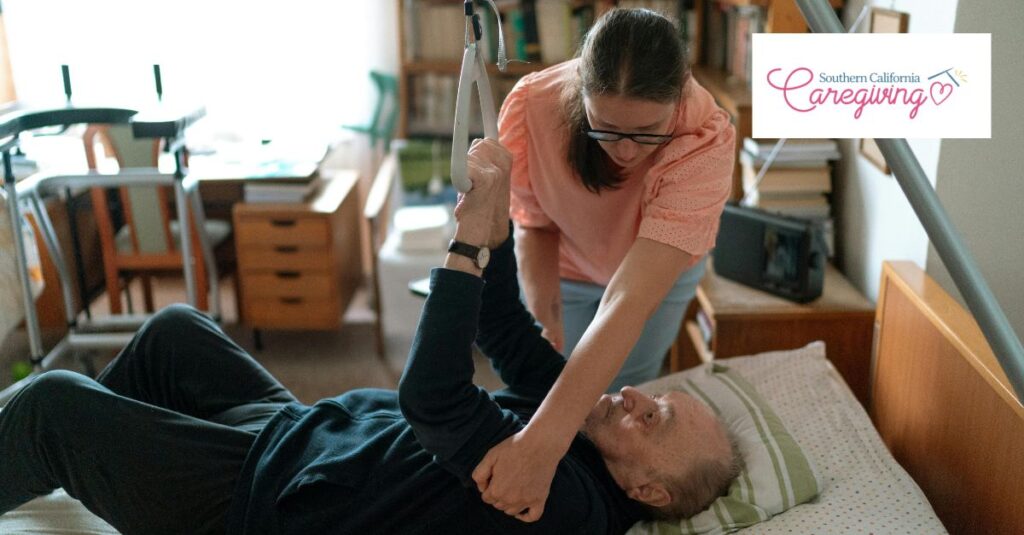
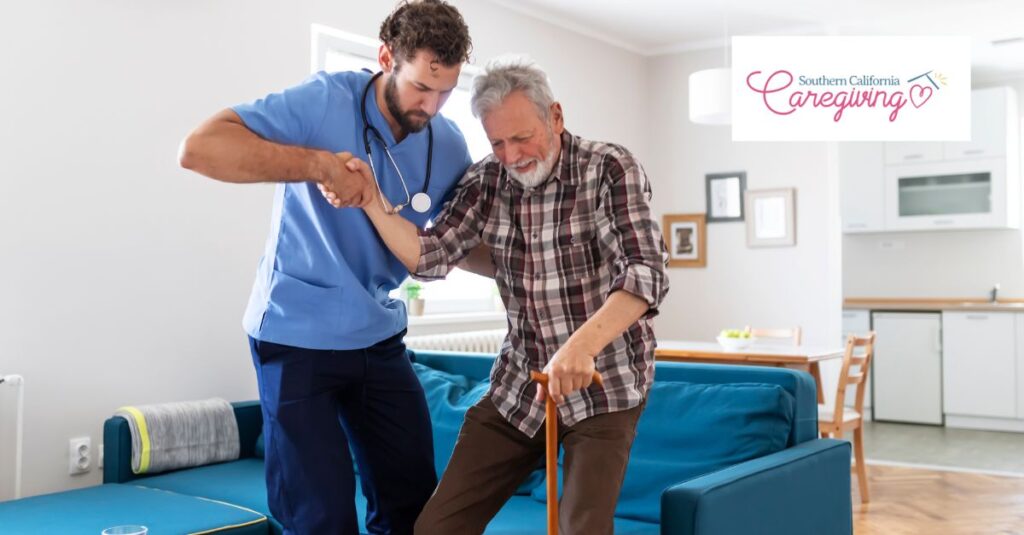
Handling matters too. Older skin can bruise when someone pulls hard on an arm or grips too tightly during a transfer. Caregivers should use a steady, gentle approach and follow safe movement techniques.
Thirty extra seconds can make the difference between a calm transfer and a sore arm later.
Personal care can bring hidden bruises to light
Some marks are easy to see. Others sit beneath sleeves, socks, or sleepwear.
During Self-Care Assistance, a caregiver may help with bathing, grooming, or dressing. Doing so allows them to notice a new bruise. And that too without making the senior feel watched.
The conversation can stay simple.
“I noticed a mark near your shoulder. Is it tender?”
That feels better than three family members gathering around it and asking questions at once.
A home care company can also make sure the same family contact receives updates. This prevents information from getting lost between siblings, shifts, and weekend visits.
Medication may be part of the picture
Some medications can make bruising easier.
A caregiver may notice that new marks began appearing after a prescription change. They can pass that information to the family.
Doctors and pharmacists handle medication reviews. A caregiver from a homecare agency helps by sharing what they have seen at home.
The family can then ask the right questions instead of making guesses around the kitchen table.
When families should call a doctor
Many bruises slowly change colour and fade.
A healthcare professional from a wellness support service should hear about marks that appear often without a known cause. Very large, painful, swollen, or firm bruises also need attention.
Bruising after a fall or blow to the head deserves prompt medical advice. The same applies when bruises appear with nosebleeds and bleeding gums.
Caregivers help by noticing what happened before and after the bruise appeared. They can check the home, support safer movement, and keep the family informed.
Sometimes Mom really did bump into the cupboard.
And sometimes the bruise is asking everyone to pay a little closer attention.
FAQs
- Why do seniors bruise more easily?
The seniors bruise easily because their skin becomes thinner. They also bruise easily when the small blood vessels beneath the skin have less protection. - Can medicine lead to more bruising?
Yes! Some medicines can make bruising easier. A doctor or pharmacist should review concerns. - When does a bruise need medical attention?
A bruise needs medical attention in the cases of unexplained, frequent, painful, swollen, or very large bruises.
4. Can Southern California Caregiving help seniors with bruising?
Yes. Our caregivers can notice new marks, reduce home hazards, support gentler movement, help with personal care, and update the family.