
The hospital says your father is ready to go home.
That is good news. Everyone has been waiting to hear it.
Then you reach the house.
Dad needs help getting out of the car. His medicine schedule covers half a page. The fridge contains mustard, three yogurts, and something nobody wants to identify. His follow-up visit is next Thursday. Or possibly Friday. The discharge folder says Thursday, so Thursday wins.
Recovery at home often involves more work than families expect. A senior may feel sore, weak, sleepy, or unsteady. Ordinary jobs suddenly take a lot of effort.
This is where Compassionate senior home care solutions can be useful. A caregiver helps with the everyday parts of recovery. And the doctors, nurses, and therapists remain responsible for medical treatment.
Getting settled without rushing
The first few days can feel muddled.
There are written instructions to follow. New medicines to remember. Activity limits. Appointments. Food instructions. Sometimes equipment has arrived at the house, still sitting in a box with an instruction sheet nobody feels ready to read.
A caregiver can help bring some order to the day.
They can keep discharge papers in one place. Appointment dates can go on the calendar. The walker can stay beside the chair rather than across the room. Water, tissues, glasses, and the phone can all be kept within reach.
Small preparation saves a senior from repeatedly getting up when every movement still hurts.
Medication reminders take pressure off the family
Medicine schedules after surgery can be confusing.
One tablet may be taken with breakfast. Another may be due later. Pain medicine may follow separate instructions. A senior who is tired or foggy may lose track.
Families looking for Trusted compassionate home care providers often need help with these routines.
Moving around can feel uncertain
After surgery, the trip from the bed to the bathroom may feel much longer than it did last week.
A senior may be stiff. They may feel dizzy when standing. Their confidence may have taken a knock too.
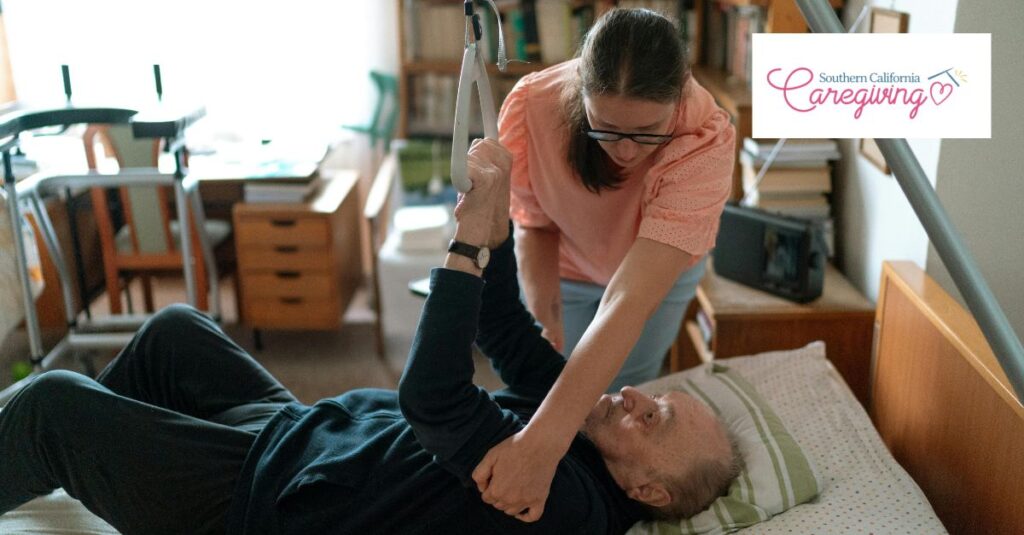
A caregiver can remain nearby while they stand, turn, and walk. There is time to pause. Time to steady the feet. Time to make sure the walker is facing the right direction.
Families searching for 24/7 compassionate home care near me may be especially worried about evening and overnight movement.
A clear path to the bathroom helps. So does good lighting. Loose rugs, electrical cords, and clutter can move elsewhere for now. They will cope.
Bathing and dressing may need an extra pair of hands
A shower sounds simple until the body is healing.
There is standing, reaching, washing, drying, and dressing afterward. Each step takes energy. Bending may also be restricted.
A caregiver can place clean clothes and towels nearby. They can help with grooming and dressing. They can provide respectful support during bathing when the care plan includes it.
The senior can continue doing whatever feels safe and manageable. Some mornings, that may be most of the routine. Other mornings, putting on one sock may feel like enough achievement before breakfast.
Rest and movement both need a place in the day
Some seniors try to do everything immediately.
They come home and start discussing laundry, gardening, and whether the garage needs organising. The garage has waited twelve years. It can wait another week.
Others become nervous about moving at all.
A caregiver can help the senior follow the activity advice provided by the medical team. This may include short walks, approved exercises, or planned rest between tasks.
Through Affordable compassionate home care, families may also arrange help with dishes, laundry, fresh sheets, and light household work.
That leaves more energy for eating, personal care, walking, and sleep.
Recovery can feel lonely too
Healing is slow work.
Friends return to their routines. Family members go back to their jobs. The senior spends more time at home and may become frustrated by needing help.
A caregiver brings some company into those hours.
They may share lunch, read the newspaper, sit outside for a while, or watch an old film together. There is someone nearby when the afternoon feels long.
Post-surgery care may last several days or several weeks. The hours can change as the senior becomes stronger.
For many families, that temporary help makes the move home feel far less chaotic.
And Dad’s mysterious fridge container can finally be dealt with by someone brave.
Connect with us if you’re in the search of the best compassionate home care services.
FAQs
- When can home care begin after surgery?
Care can begin after discharge, based on the senior’s needs and the agreed schedule. - Can caregivers provide medication reminders?
Yes. They can offer reminders using the prescribed instructions. - Do caregivers provide medical wound care?
Clinical wound care is handled by a licensed healthcare professional.
4. Can Southern California Caregiving provide temporary recovery support?
Yes. Care can be arranged during recovery and reviewed as the senior regains strength.