
Caring for an aging parents! Yes, it is never easy.
Many family caregivers find it challenging to deal with difficult behaviors of their loved ones.
These scenarios may sound familiar.
They snap at you for asking a simple question.
They refuse a shower.
They say, “I don’t need anyone,” while clearly needing someone.
Maybe they complain about the soup. And somehow the spoon too.
It can be upsetting. And tiring. Especially when you are only trying to help.
That is why Compassionate senior home care solutions matter. Good care looks beyond the attitude and asks, “What is this person trying to protect?”
Why seniors may become grumpy
Aging can feel like losing little pieces of control.
Someone else starts driving them. Someone checks their medication. Someone reminds them to eat. Someone worries about the shower. Even when all of that comes from love, it can feel like being managed.
So the senior pushes back.
Pain is another big reason! Anyone can become short-tempered due to issues like arthritis, back pain, headaches, stiff joints, or poor sleep. A parent may not say, “My body hurts today.” They may say, “Why are you always bothering me?”
Fear can also come out sideways. Fear of falling. Fear of memory changes. Fear of being moved out of the home. Fear of becoming a burden. Many older adults will never say those words directly. They will say, “Stop fussing,” or “I’m fine,” in a tone that says nobody is fine.
Families looking for Trusted compassionate home care providers often need help with this exact part.
How families can make the moment easier
Start with tone. A calm voice can keep a hard moment from getting worse.
Then offer choices.
“Want to shower before breakfast or after tea?” lands better than “You have to shower now.”
Also, save your energy for the battles that matter. Medication safety matters. Fall risks matter. Hygiene matters. The blue cup versus the green cup? Let the blue cup win. It has earned its moment.
If memory changes are involved, arguing usually goes nowhere useful. Reassurance helps more. A gentle redirect helps too. Tea, music, a walk, an old photo, a familiar routine. Simple things can soften a sharp mood.
How compassionate caregivers help
A caregiver enters without old family arguments attached. That alone can change the room.
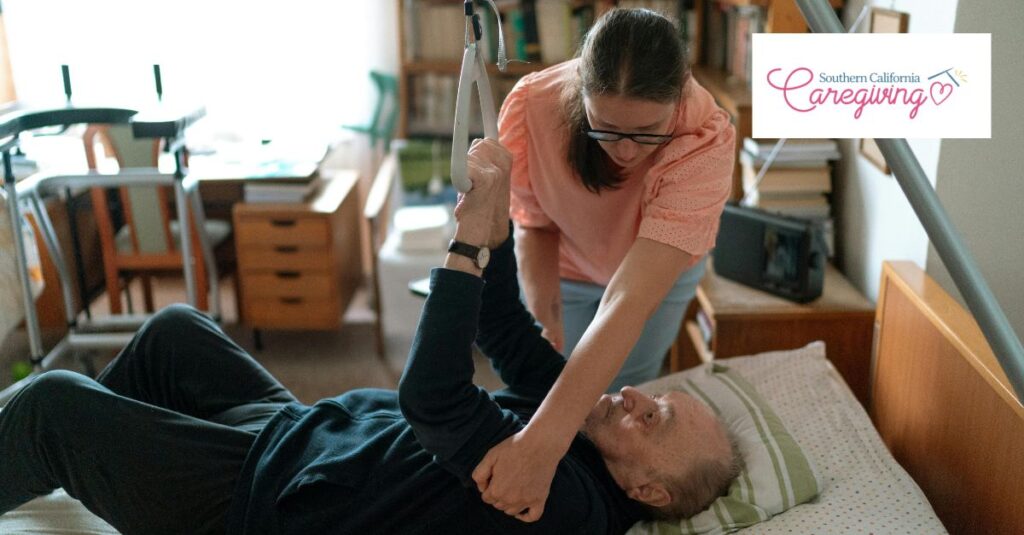
A professional caregiver can slow down. Explain each step. Ask permission. Give the senior time. And that too for all types of daily activities, like bathing, eating, or even taking medication.
That is why families often compare the Best compassionate home care services when care at home has started feeling emotionally heavy.
Caregivers also notice patterns. Maybe your parent gets cranky before meals. Maybe evenings are harder. Maybe bathing feels scary! Maybe they act rude when they are actually embarrassed.
Those details help everyone respond better.
When more support makes sense
Some families need a few hours of help. Others need steady support through the day and night. If you have searched for 24/7 compassionate home care near me, you may already know the feeling. You want your loved one safe, but you also want the home to feel peaceful.
Care can start small. A few visits. Meal support. Companionship. Personal care. Then it can grow if needed.
And yes, cost matters. Affordable compassionate home care should still feel respectful and personal. A family should be able to build care around real needs, not panic.
FAQs
- Why is my parent suddenly rude or angry?
Pain, fear, poor sleep, loneliness, medication changes, or memory issues may be behind it. - What should I do when my parent refuses help?
Stay calm. Offer choices. Try again later if it is safe to wait. - Can a caregiver handle difficult behavior better than family?
Often, yes. Caregivers bring patience without old family tension.
4. When should I call the doctor?
Call if behavior changes suddenly, confusion increases, or aggression feels new.