Journaling sounds serious at first. Like someone needs a leather notebook, a fountain pen, and a window with dramatic rain. Thankfully, no.
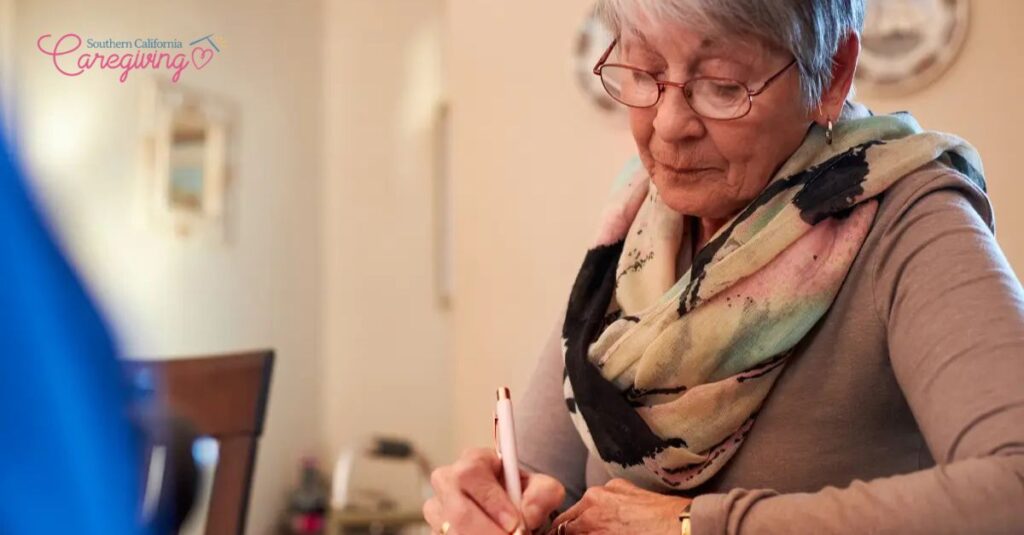
For seniors, journaling can be as simple as two lines after breakfast. “Slept well. Had tea. Called Ann.” That counts. A few honest words can help the day feel noticed instead of forgotten. And for families using companionship care, journaling can become a sweet, low-pressure activity. It brings memory, mood, and connection into the same room.
It gives thoughts a place to land
Many seniors carry worries quietly. They may not want to “bother” their children. They may not feel like having a full emotional conversation. A journal gives those thoughts somewhere to go.
It can hold the small stuff too. A good meal. A funny phone call. A dream. A memory from school days. Those little notes help seniors feel heard, even when they are writing only for themselves.
There is some support for this idea. Research around life-review writing has found psychosocial benefits for older adults, especially around isolation and mood. One review also found life-review interventions can help reduce depression among older adults. So yes, writing old stories down can be more powerful than it looks.
It helps seniors remember the small wins
A journal can become a gentle record of progress. “Walked to the porch.” “Watered plants.” “Called my sister.”
These lines matter. They remind seniors that they are still doing things, still making choices, still part of life. That can be comforting on days when confidence feels a little shaky.
It preserves family stories
Every family has stories that live inside one person’s memory. Recipes. Work stories. Wedding details. Childhood mischief. The neighbor nobody liked but everyone still talks about.
Journaling helps save those stories. It can turn into a memory book for children and grandkids. No pressure to write a masterpiece. Just real stories in their own voice. That is often the best kind.
How companion caregivers make journaling easier
A companion caregiver can make journaling feel relaxed, not like homework. They can sit with the seniors. Plus, they make tea and ask simple questions, such as:
“What was your favorite meal growing up?”
“Who made you laugh today?”
“What advice would you give your younger self?”
With Professional Companionship, the caregiver can also help when writing is physically hard. Arthritis, tremors, tired hands, or poor vision can make a pen feel like a workout. In that case, the senior can talk, and the caregiver can write.
For families exploring Senior Companionship, journaling can also become a weekly ritual. Same chair. Same notebook. Same calm conversation. That routine helps the activity stick.
Some caregivers may help add photos, greeting cards, captions, or old recipes. Others can organize entries into sections like childhood, work, marriage, travel, family lessons, and favorite memories.
Families looking into Elderly care services in Torrance often want care that goes beyond tasks. This is a good example. Journaling gives seniors connection, purpose, and a way to feel known.
And with Professional elderly care, the emotional side is handled gently. Some memories bring sadness. A good caregiver knows when to listen and when to pause. And when to change the subject to something lighter.
A small habit worth trying
Journaling doesn’t have to be perfect. It rather needs to feel safe & easy. A few words a day can help seniors reflect and remember. And feel more connected to their own story.
We’re here to help if you’re looking for Elderly care services. Our caregivers make journaling easier for your loved ones. You can share other requirements so that we can find you the right professional.
FAQs
- What if my parent says they are “not a writer” when you ask them to start journaling?
That is fine. They can speak, and a caregiver can write for them. They can also use photos, short lists, voice notes, or simple prompts. Journaling does not need long paragraphs.
2. What should seniors write about first when journaling?
Start with easy prompts. “What made me smile today?” “What meal do I remember from childhood?” “Who did I talk to today?” Small questions usually bring the best stories.